
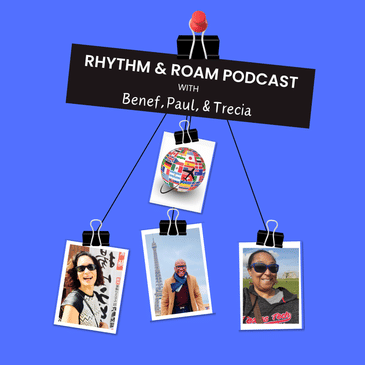



We dive into the vibrant and often misunderstood Romani culture with an interview with two Romani women. They explore the rich history of the Roma and dismantle the stereotypes associated with this group of people. This episode inspires a deeper understanding of the cultural appropriation, systemic racism, and persecution of the Roma, as well as their perseverance and resilience. Romanistan Podcast: http://romanistanpodcast.com/, Link to Jezmina & Paulina's book https://www.amazon.com/Secrets-Romani-Fortune-Telling-Divining-Palmistry/dp/1578638585, Additional resource links: https://jezminavonthiele.com/, http://romaniholistic.com/
[00:00:06] Howe in Cornell phone calls I am.
[00:00:08] Roma up andgrown woman do not have a male voice anything, Madame C Report or RingGco whenever
[00:00:11] newborn calls I amtering a family of еm them and my parents cancel.
[00:00:29] slave or something like that hi everyone welcome back to rhythm in rome and we're so glad to have
[00:00:39] you today how are you doing berneth paul good i think i just said whoa which is so much you did
[00:00:48] i'm so sorry can we do that again can we do that reaction i loved it i loved it i was stuck with
[00:00:56] that paul we ain't redoing that i can't believe i just came out oh my god that's right if anybody
[00:01:03] knows that's uh i thought you were doing i was back in the military that's the military way of saying
[00:01:11] yes but it means so many different things who has like 7 500 words in and of itself yes yes so okay
[00:01:19] all right today we want to welcome you all to take a little journey with us um we are actually
[00:01:25] our show today is about a very interesting um people uh you know culture the roma people and
[00:01:33] binef had uh you know an opportunity to be able to interview with some fellow podcasters of ours
[00:01:39] and we're so excited to be able to share this with you um because it's it's been fascinating you know
[00:01:44] getting to know um you know the the history behind the roma so binef i'm gonna i want you to take us in
[00:01:52] and and really uh give us a you know an introduction into yeah to talk about today sure so i was able
[00:02:01] to interview two women um that are roma jasmina vantila and paulina stevens and they have their own
[00:02:07] podcast romanistan podcast they've had that for about three years now um and so i met jasmina in
[00:02:14] 2012 when uh i was doing my yoga teacher training at kripalu so we were there together for the whole 30 days
[00:02:20] so that's when i met her and one of the first things that she made us very aware of was that she
[00:02:26] was roma and that the use of the word gypsy is a slur and so it's it's not to be used by people
[00:02:33] that are uh that are not roma um because it's it's a pejorative and i didn't know that because i'd grown up
[00:02:40] using that word so when you said roma and most people in the world i would say i'm exaggerating
[00:02:50] probably know roma as what as gypsy is that what you just said well i think that they might not know
[00:02:57] that they're actually called roma or romany people yes because i didn't know buying them only as just
[00:03:04] gypsies and that word is an actual it's a slur it's not a um a nice or a good or a kind of
[00:03:12] to use yeah and so i didn't know that but uh yes i made that very clear that brought that to my
[00:03:18] awareness back in 2012 and so um and i've you know kept i've been following her on social media
[00:03:24] and so i i thought of the the the opportunity to interview them because when we think of travel or
[00:03:32] we get warned about these people in europe uh thieves pickpockets you know stay away from them
[00:03:40] typical stereotype yeah they will use the the gypsy slur to to to classify these people and i and i know
[00:03:46] you know that's not correct it's they are there are thieves and pickpockets yes to be sure but these
[00:03:53] are not all roma um and so i wanted to talk to her or talk to them about that like where did this slur
[00:04:01] come from where you know why why do uh have we been taught to believe that the roma are um dangerous
[00:04:10] or to be avoided um and basically in in all areas of the world because they don't have their own state
[00:04:17] it's a stateless um group of people that they're all over the world um they originally came from 10th
[00:04:24] century or from india in the 10th century and started migrating down to europe um so yeah and so it's
[00:04:32] been it was fascinating like the interview was super interesting for me and i feel like unless you're an
[00:04:36] anthropologist or someone that's really well read and just taking the time to understand you're just
[00:04:43] i didn't know um and so i had to do my research listen to some of their podcasts uh just to
[00:04:49] understand a little bit more of who these people are and so roma have been on the move for a really
[00:04:56] long time because of violent persecution and even when the persecution wasn't overtly physically violent
[00:05:02] roma have been economically discriminated against for a really long time so a lot of our traditional
[00:05:08] trades are things that you could work on the road or might even be seasonal that you might need to work
[00:05:13] on the road um like harvesting or fortune telling performing flowers selling animal training lates making
[00:05:19] we have lots of cool jobs metal working because roma were nomadic for a long time this also became a
[00:05:27] reason to discriminate against roma so a lot of romani people then were forcibly settled
[00:05:32] which was also not good um because a lot of these settlements ended up being tenements or
[00:05:37] camps with little to no sanitation and this is still an issue um roma live in a lot of different ways but
[00:05:44] are disproportionately living in poverty i think our podcast has a lot to do with creating community
[00:05:51] the internet really changed the game for a lot of people um including the generation before us my
[00:05:58] parents generation like our generation i feel like we're allowed we're able to connect and have a
[00:06:04] stronger community now more than ever yeah that's really interesting too that you say that as stateless
[00:06:09] people because um i i happen to be taking a media global globalization class right now um and uh they
[00:06:18] specifically spoke to the relationship of um the globalization from above and global globalization below
[00:06:25] and basically what that means is is what that means in terms of um uh and in terms of caste like a caste
[00:06:33] system which you know immediately brought this to mind because you know we're talking about a stateless
[00:06:39] people and that's exactly what they were kind of making that relationship and how uh it's always if
[00:06:45] you're stateless all of it is determined for you so you know you don't really have a home basically so it was
[00:06:51] just really interesting to the you know i i just went totally historic historical on you and totally
[00:06:57] like literature on you but i mean it it is a thing right so like you said it's not a topic that's
[00:07:02] yeah in the norm for everybody and no one to include myself did not know you know the appropriate
[00:07:09] word is roma instead of um you know gypsy and i i i find it uh interesting because because
[00:07:19] even though and and it's mentioned as everywhere in documentaries and stuff like this because i was
[00:07:25] doing a little bit of research on my own too as well is that it is considered a derogatory word
[00:07:30] like biracial and um growing up in a white community was a little i don't know i just kind of always felt
[00:07:37] off like but i in fact but i don't identify with being afghan or with being black and i wonder if um
[00:07:43] like you guys were growing up in roma communities or romanian communities or like white communities
[00:07:50] or other race that other races like was that an issue growing up in america and feeling different
[00:07:58] uh so i grew up um i'm mixed and assimilated not all my room not all of my family it's romani
[00:08:05] really only my maternal grandmother but i was so close with her and i look a lot like her
[00:08:09] yeah you know it was she really raised me so closely um and yeah i grew up in a predominantly
[00:08:17] white community in new hampshire which is still predominantly white and it i did feel really out
[00:08:24] of place and um sometimes i wonder if i grew up in a different community would i have um found my
[00:08:34] identity so important i think um if i had grown up with a lot of other people who were like mixed and
[00:08:40] from you know different kind of cultures would i have like zeroed in so much money identity because um
[00:08:49] yeah for new hampshire and i'm not even particularly dark-skinned but i stood out a lot
[00:08:53] and and was like very racialized and um yeah so i i felt uncomfortable it was something that i had to
[00:09:01] keep a secret what i find interesting was that um it's everywhere so and when i mean everywhere there's
[00:09:13] movies with the name gypsy in it titled there's you know songs with the word titled gypsy so i guess
[00:09:22] you know it's like we're we're perpetuating that stereotype you know what i mean and and society
[00:09:30] says it's okay to do versus others um i know i kind of got went a little deep on that but it was
[00:09:37] it's interesting that's the issue i think that's their mission because the majority is the one that
[00:09:42] makes the decisions for everybody yeah so the notes so just so that our you know our viewers know
[00:09:47] the notes that we have you know certainly uh that we've learned um is that about the history of the
[00:09:54] roman people is that the 10th century there were 10th century uh india which you did mention um
[00:09:59] binef to europe at the end of the crusades um 500 years of slavery in europe um they were
[00:10:05] discriminated against for skin color culture and religion yeah um they basically like you said were
[00:10:11] on the margins of society and jobs they did you know they did were easily mobile why they were such
[00:10:17] a transient people right they were being the persecution they were forcible yeah you said you
[00:10:23] said that they they were well it is still prominent uh in society so it's not a past tense it's still
[00:10:31] currently happening um and and and i i say this because i'm very familiar with how certain countries
[00:10:39] are that i lived in in europe specifically and how they are either um treated uh i can't because i
[00:10:47] don't even know if i've yes i have in the states we have but we really didn't classify the way how
[00:10:52] they strongly do it in in in in europe here the french has an interesting way of dealing with you know
[00:10:59] um it's not interesting it's downright shitty but go ahead well i was trying to be politically
[00:11:06] correct it's shitty like you say it is shitty because they they literally do stereotype they
[00:11:12] literally say you know they'll go in they'll bust up their their their camp camp encampment and you
[00:11:19] know tell them they have 30 minutes to move somewhere else or whatever your your um guests also refer to
[00:11:25] themselves as gypsy because it's easier one for people to know and relate and understand oh that's what you
[00:11:33] are kind of thing because that's what you know uh was mentioned in some sort when i said when i was
[00:11:40] five that i was a gypsy because kids kept asking me where i was from it went terribly kids threw rocks
[00:11:45] at me i had a teacher discriminated kids discriminate against me but again it wasn't as bad as it has been
[00:11:51] for lots of other romani people but yeah it's my experience of feeling like oh this is something i
[00:11:55] gotta keep a secret i gotta just keep telling everyone i'm italian and move on you had talked about
[00:12:01] the like the gypsy slur i didn't know that because all i i mean i guess the average american just has no
[00:12:09] idea and we it's what we see in movies and like the hollywood version of roma and the romani people and
[00:12:16] i'm just like is that not even accurate where are they getting this stuff from
[00:12:21] um when it comes to growing up so i did grow up in community and we really weren't like very
[00:12:31] assimilated into the outside world and when i say that like we couldn't even really go to school all
[00:12:37] the way like we would be put in elementary school kind of to learn the basics and we wouldn't show up to
[00:12:42] classes all the time like school outside world like you know we call it like amerikanska like culture
[00:12:48] like americanized like that was kind of like looked down upon and it still is today
[00:12:53] to some communities not all communities but to my specific community and so a lot of growing up
[00:13:00] in america was based on pop culture like that was kind of our thing like um i don't know i remember
[00:13:08] like coming out and being like whoa like arrange seating like for a wedding like i went to my first
[00:13:13] like american wedding i was like this is super crazy and like just i think regular american life
[00:13:19] um i think is different compared to how it is in the movies which i thought it was going to be like
[00:13:23] just like it is in the movies and to a degree it is but there was um there were times where things
[00:13:31] would overlap i guess i think there there is that but um it's different it's different for sure like
[00:13:39] growing up as um as romani and of course like i realized there was a difference in privilege as well
[00:13:44] where when i was in the community i think when i was wearing my head covering like i would always get
[00:13:51] um i guess racially profiled that and again i think that's just like looking middle eastern in america
[00:13:56] like you know always doing something like that but then when i took my head covering off um i never really
[00:14:03] got any kind of not i mean i wouldn't say never but i feel like there was a lot less racial profiling
[00:14:10] but as soon as because i never told anyone i was a gypsy just like you said jess like i'm just gonna say
[00:14:15] i'm italian and move on i say like yeah yeah i'm greek and like i move on or something but um
[00:14:22] whenever i would say that i was a gypsy there was always those big misconceptions like i remember um
[00:14:28] um but one of the first times i had told someone it was a couple that i was hanging out with and
[00:14:34] the the lady was like well oh you know as soon as i said like yeah i'm a gypsy she she was instantly
[00:14:42] like oh well i knew gypsies and they were both um what was it prostitutes and like all this stuff
[00:14:49] and like i'm like and you know no no shame to that or anything but i just feel like there's all these
[00:14:54] little things that you have to deal with um so sometimes we're just like whatever we don't even
[00:14:59] say like we're just kind of tired of explaining it but yeah when when um when they said that it it i i
[00:15:06] i totally get it and understand because i know folks specifically from romania specifically who get
[00:15:13] really shitty shit on um outside of romania because shitty shit on i love that okay yeah
[00:15:19] well so not but not all roma are from romania let's just i i know that even though the name
[00:15:26] sounds similar but it is not that is correct but when okay yeah within europe majority of them are
[00:15:32] from the east like romania eastern or bulgaria yeah bulgaria and those places so there's a heavy
[00:15:41] you know and that's from that region and and anyone who's from from those those countries please do chime
[00:15:47] in and and and we would love to hear from you but uh that being said it comes with stigma and then one
[00:15:55] thing that i i understood as well from just things that i've read and and and things that i know and heard
[00:16:02] a lot of times they're not well educated because they're always on the go the kids are stereotyped
[00:16:11] especially here in france they they are either not uh given jobs because they they want to work but
[00:16:18] they can't because as soon as they find out that they're they're well they don't have the education
[00:16:23] they can't get the education because they don't have permanent homes and the school is like well you
[00:16:27] don't have a permanent address you can't correct go to school and but if you did say it the reason why
[00:16:32] they are nomads or moving around all the time is because of what reason they were getting persecuted
[00:16:40] and and so it's like they weren't allowed to be integrated into the society because of their skin
[00:16:46] color because of their religion because of their culture so they get pushed out to the margins of
[00:16:52] the city and society and then they they have to keep moving you you mentioned that i mean the article
[00:16:58] that bbc article that you sent me where they're um just not allowed to get jobs or get homes because of
[00:17:06] the um the stereotypes but also the policies against immigrants in general um so that they have to live
[00:17:14] in these camps that don't have water or electricity and the police are going to come around and vacate
[00:17:18] these camps and now they've got to move again they're they're like the pol the political um the
[00:17:24] policies aren't allowing these people to present day integrate into society yeah and which is and
[00:17:33] i mean disturbing because they don't have any representation or it's very few represent if
[00:17:38] they do have any representatives in any of the european governments or in the eu as a whole so
[00:17:43] who's advocating for them so we have a list because i love that you asked this question about good
[00:17:49] representation and i also wanted to address the word gypsy for a second because that's you know what
[00:17:54] we hear the most um so gypsy has been used as a racial slur for a really really long time
[00:18:00] it's also used way more neutrally in the uk so you might even meet roma who are like gypsy's not a
[00:18:06] racial slur even though gypt means to cheat like a gypsy and is used as a slur and so yeah i'm
[00:18:12] definitely not going to argue any anytime with any roma about how they want to be called um because that
[00:18:19] varies from place to place and the word for gypsy in other languages is often really rough
[00:18:24] like might directly mean slave or something like that and so um yeah so roma and romani tend to be
[00:18:32] the preferred words unless you were talking to someone and they're like please do call me a gypsy but um
[00:18:38] you know paulina and i use the word gypsy a lot to describe ourselves because that's how our families
[00:18:43] grew up talking but it doesn't feel comfortable for non-roma who we haven't like given that invitation
[00:18:49] to call us gypsies like if that makes sense yeah no it doesn't so so yeah you'll also um because
[00:18:57] gypsy is probably the word you're going to see in a lot of media but i think if you want to see better
[00:19:02] representations of romani people start this is so simple but a lot of people forget that this is a
[00:19:07] thing you can do just by looking for romani creators and organizations who put out romani work
[00:19:13] um and you can google that and and find a bunch of cool stuff but we also have cool things for people
[00:19:18] to find more specifically so really recently john henry phillips created the documentary searching for
[00:19:26] romani heritage it's a uk film it's really cool then there's also a yearly film festival called
[00:19:32] ake dikia which is spelled a-k-e and then the next word is d-i-k-h-e-a and this is an international
[00:19:41] roma film festival that's held in berlin yearly and so anything out of there is roma made and it's
[00:19:47] a really interesting place to find um like international films about or by roma also the
[00:19:53] independent theater hungary is known for excellent roma representation and collaboration as well as
[00:20:00] the romani feminist theater troupe juve le pen which is g-i-u-v-l-i-p-e-n and that was founded by
[00:20:08] michaila dragon and zita moldaban and they do incredible feminist romani work they play with
[00:20:14] themes of romani futurism they're awesome and then i also love the film la chodrom it's a really
[00:20:22] beautiful musical documentary that traces the travel route of roma from india to spain there's not a lot
[00:20:27] of dialogue it's more focused on music and performance stunning um actress alina serban
[00:20:33] has worked on some really powerful films like gypsy queen alone at my wedding housekeeping for
[00:20:39] beginners we recommend those there's also um a netflix uh series called infamy or in polish because
[00:20:48] it's a polish series called infamia and it came out last year and we were really impressed by it it
[00:20:55] was made with romani input it doesn't represent all of romani culture but we thought it was a really
[00:20:59] important series and we interviewed um joanna tolovich and um toby gorniak who both worked on
[00:21:06] the series um on romanistan and we gave a review too we wrote a detailed review we did yeah we really
[00:21:16] got into it yeah we weren't obsessed or anything no and um i'm gonna rattle off some writers as well
[00:21:26] if you're more of a reader so there's yeah there's luminita mihae chuaaba who's an amazing poet
[00:21:32] um and she does a poetry festival in romania every year um karen gustav sumption francis roberts riley
[00:21:41] oksana marafiari rain gay again maynard lakatos rajko jurick cecilia vola louise doherty joe clement
[00:21:49] we can give you a list of these if you want what has hollywood and our culture and society has a way
[00:21:54] of romanticizing i'm you know anything and and uh you know putting it in movies and you know uh
[00:22:02] you know with the the savior complex and all those wonderful things that you know that makes that
[00:22:07] makes up the the dream world of hollywood but the but the bottom line is that you actually have
[00:22:11] people who are living it and i think um as uh and again speaking from an american perspective
[00:22:19] because you want to integrate and because you want you want uh you know you want to belong
[00:22:27] per se you go along with that but speaking out against that and speaking and i mean here they are
[00:22:34] you know they're telling you that this is wrong but still you know we're grasping onto the fact
[00:22:40] that oh well no it has to be okay you know that no we don't mean that but they're telling you it's not
[00:22:46] right i think we're being biased to ourselves you know so well yeah i mean what the majority does
[00:22:53] absolutely in this case we are in the majority even though we are minorities right so basically
[00:22:59] so basically what i'm trying to say is is that you know it and i probably we've probably said this
[00:23:06] many times before uh but if if someone is telling you that something's not right or they're not
[00:23:12] comfortable with that we should listen you know we should have we should have that discourse and
[00:23:16] that conversation um and and and you know make it make it a point to to find out or listen to what
[00:23:24] the point is and i think i think for us as a people and as a as a society we don't do that enough
[00:23:30] um why we wanted to bring this story and why we wanted to bring to light so i think i i mean i think
[00:23:36] what you're saying paul is is yes you know we do go along with that and you know we didn't know
[00:23:42] what this was but here's our chance to kind of turn that around and and not keep feeding into
[00:23:48] that stereotype but no no you're absolutely right and it is the fact i think what it is is and this is
[00:23:53] the good thing on reasons why i think it's great that we're doing this topic is that we can somebody at
[00:23:58] least if it catches one person that's listening to say oh shit i didn't know the word gypsy
[00:24:03] actually means something bad so yeah and to be gypped is a horrible slur i mean and i grew up using that
[00:24:13] i mean yes and this is why i was i was having a little bit of confusion because it is bad but yet
[00:24:21] the romans still decide to use that bad slur so that society understands what they're saying so what
[00:24:29] they're doing to is not helpful because what they're doing to is they're playing into the fact
[00:24:34] that okay you don't know what roma is it's this yeah they they're trying to reclaim the slur for sure
[00:24:41] and and we see people doing that all over like women reclaiming the slur bitch and be like oh my bitches
[00:24:48] you know using it as kind of like a but i don't know man calling me that you know and that's the
[00:24:55] yeah that's the hypocrisy of it right that's the well it's so weird let me give some some uh background
[00:25:04] uh to that and just so in case you're not you don't know who the roma people are or personas
[00:25:10] that has been portrayed right so let's talk about the many traditional jobs because uh just
[00:25:16] and it's jasmina right did say yeah jasmina did say she gave she gave some examples of some
[00:25:22] traditional jobs that you know really that we think of um as menial jobs really but it was
[00:25:29] survival right survival yeah so metalworking flower selling harvesting animal training lace making
[00:25:38] basket weaving fortune telling um performing which you know fortune tellers are everywhere if you go to
[00:25:45] any carnival or you do anything that's the first thing oh yeah we gotta do and i i asked that question
[00:25:50] like how do we know are they actually roma are they just using this for entertainment i mean right
[00:25:55] because they that the fortune telling is is for them is is actually it's it's a cult it's a part of
[00:26:01] their culture like they that is passed down through generations taught to you as a young child and and
[00:26:08] both of them um their grandmothers or their mothers taught them the art of fortune telling and divination
[00:26:14] and so it's not just something to be taken flippantly and from their you know in their in their eye um so
[00:26:21] people dressing up as you know gypsy fortune tellers and they're not actually of the roma um culture or
[00:26:29] roma people is cultural appropriation this is so interesting that you know all the things that
[00:26:36] you know that were seen as um derogatory or something yeah well not derogatory but just seen
[00:26:44] as so ingrained believe it or not within our own culture is not right you know it hasn't and it hasn't
[00:26:51] been um so the the fact that that everyone is labeling them as criminals gives allows the society to
[00:27:00] justify the the persecution and the discrimination and to just evict them from these camps and not allow
[00:27:07] them opportunities to work i mean so it ends up being like this a horrible cycle that doesn't end exactly
[00:27:14] um so uh but yeah so we'll put a lot of this information um definitely in in the uh in the
[00:27:21] description so please make sure you check it out it's going to be chock full of information um with
[00:27:24] this episode uh but we definitely want to thank you for tuning today i hope you learned a little bit
[00:27:30] i mean i know i learned tons i mean just you know just from our discussion and being hopefully you
[00:27:35] won't look at people in the light you know in a weird way when you see somebody on the train right
[00:27:41] just have an open mind right right we don't know their story yeah absolutely so this is this is kind
[00:27:47] of the theme uh basically of our podcast is is having an open mind and hopefully what we're bringing
[00:27:52] to you is is definitely going to help to enlighten um you know you and um in your travels you know and
[00:27:59] being able to immerse yourself so with that we want to say thank you uh don't forget to tune in
[00:28:05] um for another episode of rhythm and roam you know on wednesdays at noon eastern and more importantly we
[00:28:10] want you to subscribe we want you to like we want you to comment we want you to share uh we love
[00:28:16] bringing these shows to you and being able to um to connect collectively so please tune in um and uh it
[00:28:23] was so great speaking to you all and i look forward to uh seeing you guys soon all right thank you
[00:28:28] au revoir ciao
[00:28:31] you
[00:28:32] you